
The best supplier is not the biggest one. It is the one whose normal operating range matches your product and order.
Where a smaller factory can be a strong fit
Growing brands often need frequent development conversations, practical feedback, and quicker access to the people making production decisions. A focused factory may offer shorter communication lines because fewer layers sit between the buyer, sample room, production manager, and factory owner.
This can help when a style is still evolving, quantities are moderate, or the buyer needs to balance selected stock with custom production. The value is not that every request will be accepted. The value is that feasibility can be discussed directly and early.
- Moderate orders that need close follow-up
- Styles requiring several practical sample decisions
- Buyers who value direct communication over a large sales structure
When a smaller factory may be the wrong choice
A buyer needing very large monthly volumes, multiple complex categories at once, extensive compliance programmes, or simultaneous production across several countries may need a larger manufacturing group.
Small does not excuse weak planning. If the supplier cannot show how materials, approvals, production slots, inspections, and shipment dates are controlled, personal service alone is not enough.
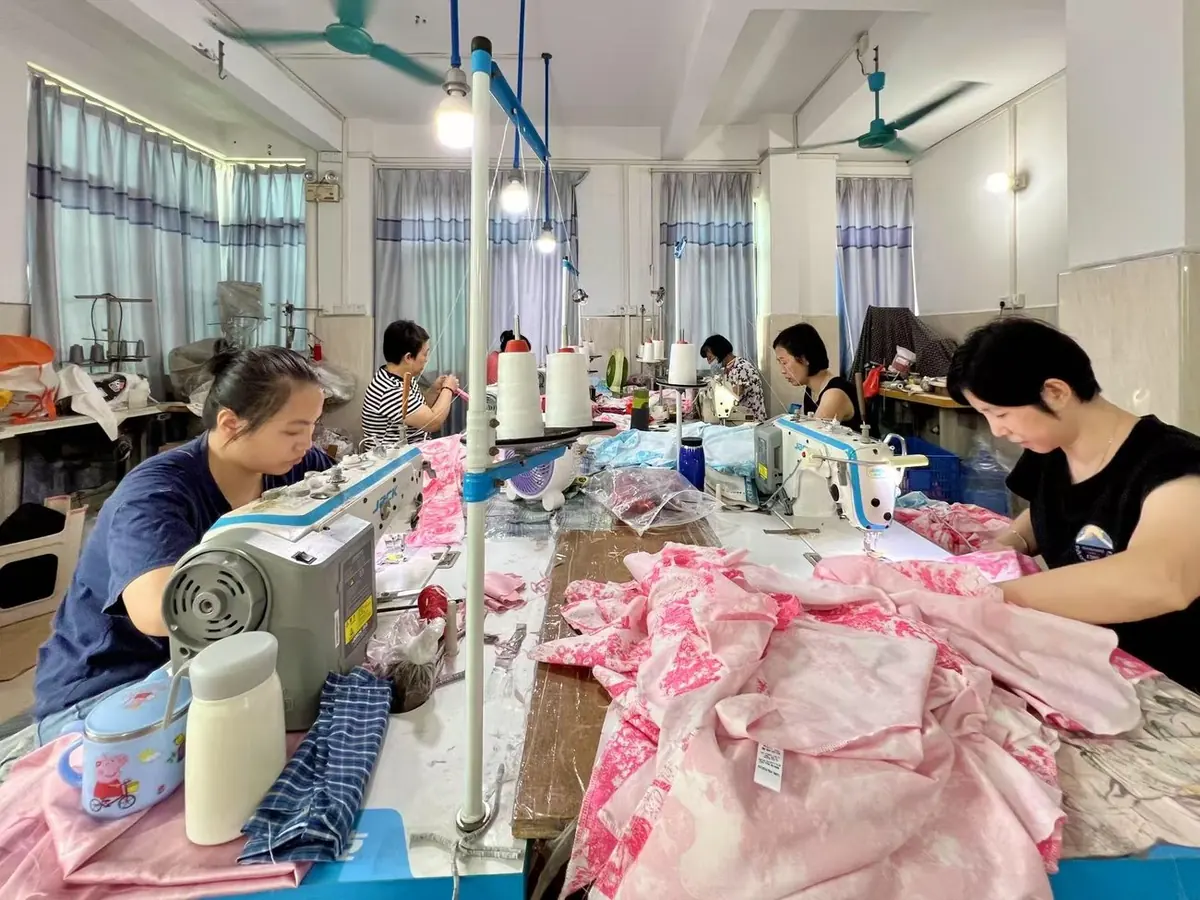
Verify the operating system, not only the workshop photo
Factory photos show equipment and space, but they do not explain how an order is managed. Ask who confirms the sample, who controls material purchasing, how production changes are recorded, and what happens when a defect or delay appears.
Capacity claims should also be connected to your product. A simple knit lounge pant and a piped woven pajama set do not move through a line at the same speed. Useful capacity information is style-specific and time-specific.
- Named contact for development and bulk production
- Written sample and revision records
- Material and trim confirmation before cutting
- In-line and final inspection responsibility
- Realistic production slot and shipment planning
Questions that reveal whether the fit is real
- What order sizes are normal for this product category?
- Who will handle sampling, production follow-up, and quality questions?
- Which processes are completed in-house and which are outsourced?
- How many styles can be managed at the same time without delaying approvals?
- What information do you need before confirming a production date?
- Which types of orders are not a good fit for your factory?
The last question is especially useful. A supplier that understands its limits is easier to plan with than one that agrees to every requirement before reviewing the details.